Online sports betting has exploded in popularity over the past decade. With just a smartphone in hand, millions of users across the globe can place bets instantly on their favorite teams, players, and matches. While the thrill of betting is undeniable, there’s much more happening behind the scenes — inside the human mind.
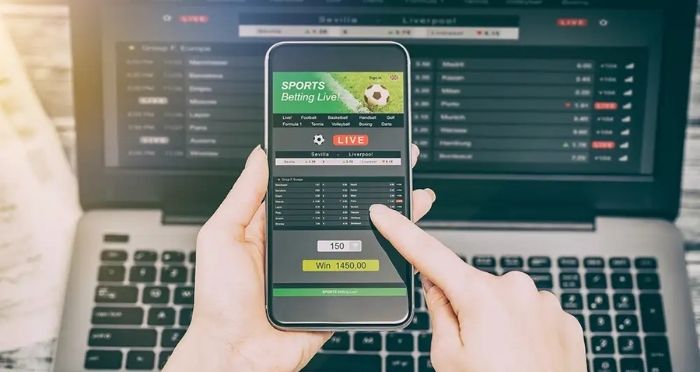
Sports betting isn’t only about odds and strategies; it’s deeply tied to psychology — risk-taking behavior, the allure of rewards, and the dangers of addiction. Let’s dive into how these factors shape the betting experience.
The Thrill of Risk in Online Sports Betting: Why We Love Uncertainty
Human beings are wired to chase excitement. Psychologists describe betting as a form of risk-taking behavior, where uncertainty creates an adrenaline rush.
-
The Dopamine Effect: Placing a bet activates the brain’s reward system, releasing dopamine, the “feel-good” chemical. Even the anticipation of winning sparks this response.
-
The Gamble of Control: Many bettors believe they can influence outcomes with research, knowledge, or “gut feelings,” creating an illusion of control.
For many, this blend of risk and anticipation makes betting as entertaining as the game itself.
The Reward Factor: Why Wins Feel Bigger Than Losses
The psychology of betting is closely tied to reward processing. A single win often feels far more powerful than several losses, leading bettors to keep playing.
-
Variable Rewards: Similar to slot machines, online betting provides unpredictable rewards, which are proven to keep people engaged longer.
-
Near Misses: When a bet almost wins, it triggers the same brain response as an actual win — fueling the desire to “try again.”
-
The Big Win Illusion: Bettors often overestimate the chances of hitting a jackpot, ignoring the many small losses that pile up.
This reward system is what makes sports betting so addictive for some players.
The Dark Side: When Excitement Turns to Addiction
While occasional betting can be harmless entertainment, the psychological traps behind sports betting can lead to compulsive behavior.
-
Chasing Losses: Bettors who lose money often double down, believing the next game will “make it back.”
-
Emotional Betting: Some people bet not for strategy, but to cope with stress, boredom, or personal problems.
-
The Cycle of Addiction: Wins create euphoria, losses create frustration, and both emotions push bettors to place more wagers.
In extreme cases, this cycle can lead to financial hardship, broken relationships, and mental health struggles.
The Role of Online Sports Betting Platforms

Online sportsbooks are designed with psychological triggers that keep users engaged:
-
Instant Access: Easy deposits and mobile apps make betting available 24/7.
-
Live Betting: The ability to bet during matches increases impulsive decisions.
-
Gamification: Leaderboards, bonuses, and flashy graphics mimic video games, making betting feel more like entertainment than gambling.
While these features enhance excitement, they also increase the risk of compulsive use.
Balancing Fun and Responsibility
Understanding the psychology of betting doesn’t mean avoiding it altogether. Instead, bettors can use this knowledge to stay in control:
-
Set Limits: Decide how much money and time to spend before betting.
-
Avoid Chasing Losses: Accept that losses are part of the game.
-
Take Breaks: Step away regularly to avoid emotional decisions.
-
Know the Signs: If betting starts to affect your finances, work, or relationships, it may be time to seek help.
The Mind Game of Sports Betting
Online sports betting is more than just placing wagers — it’s a psychological experience shaped by risk, reward, and sometimes, addiction. The thrill of uncertainty and the joy of winning keep millions hooked, but the same forces can pull others into unhealthy patterns.
By understanding the psychology behind betting, players can make smarter, healthier decisions — keeping the fun alive while avoiding the pitfalls.
Note / quick legal reminder: Online gambling laws in Pakistan are strict and largely prohibit gambling activities; this guide is informational only. If you choose to participate in any form of betting, make sure you understand local laws and gamble responsibly. For recent reporting on legal and regulatory developments in Pakistan, see sources below.